
Asya Galinsky
About
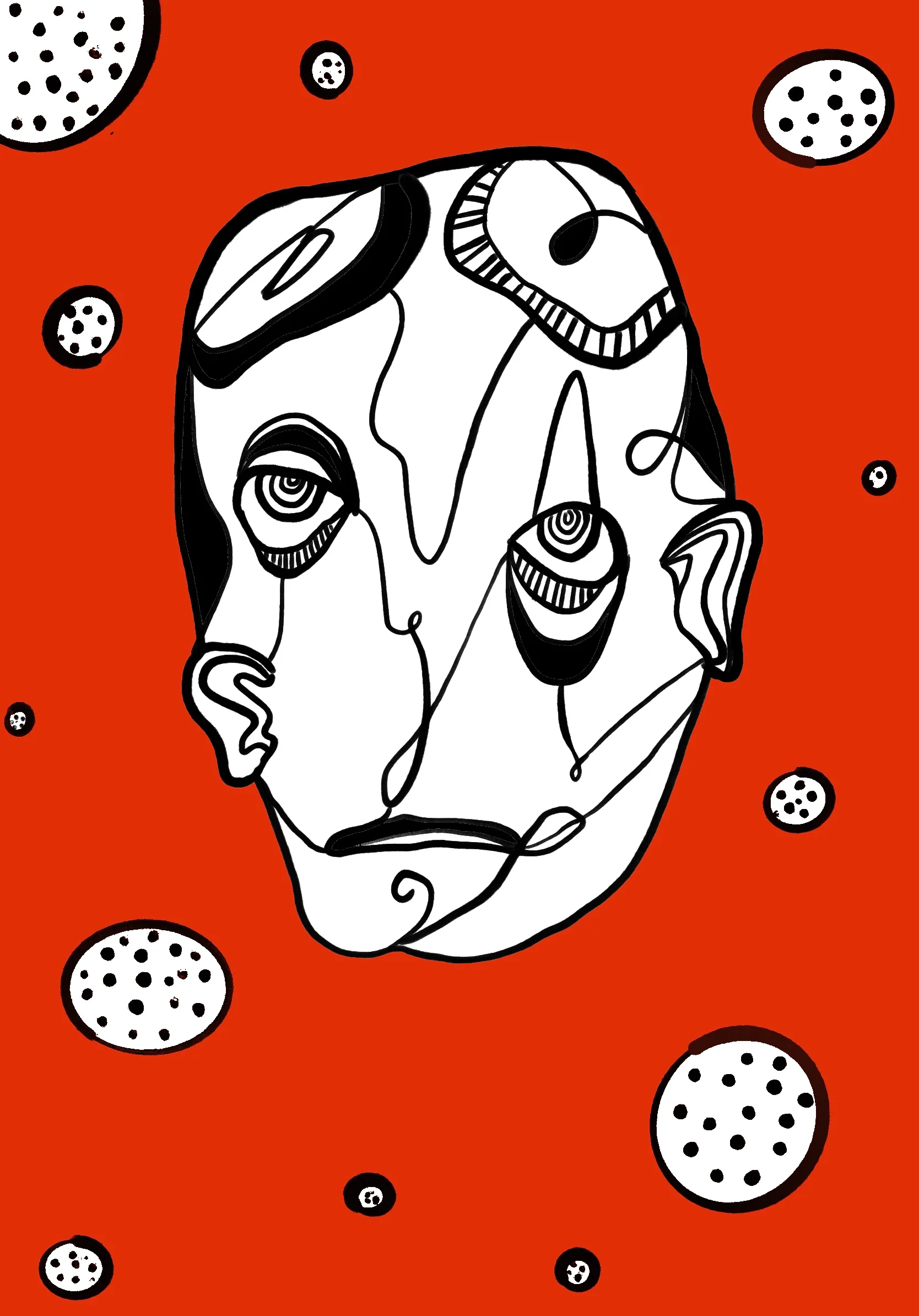
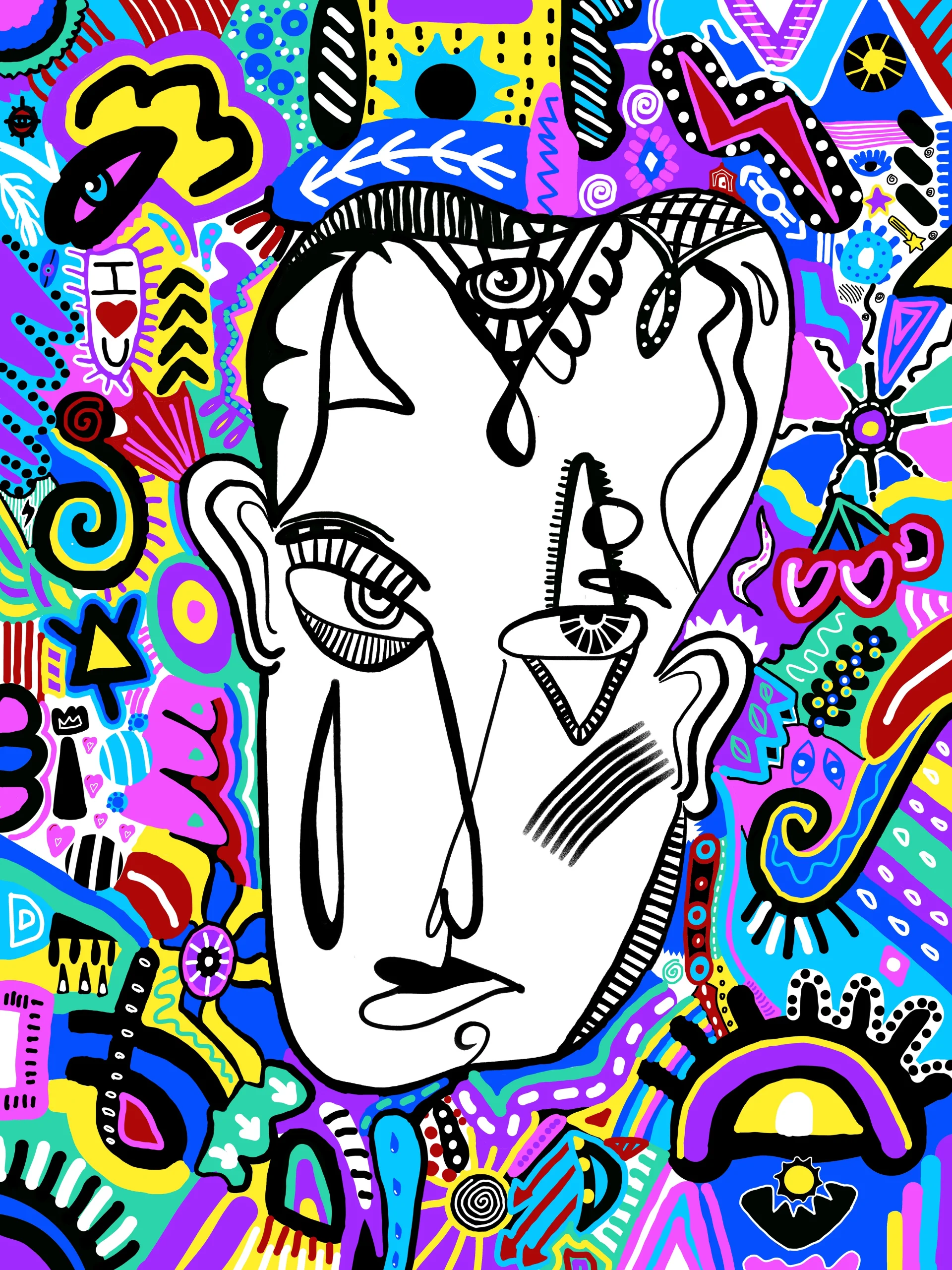
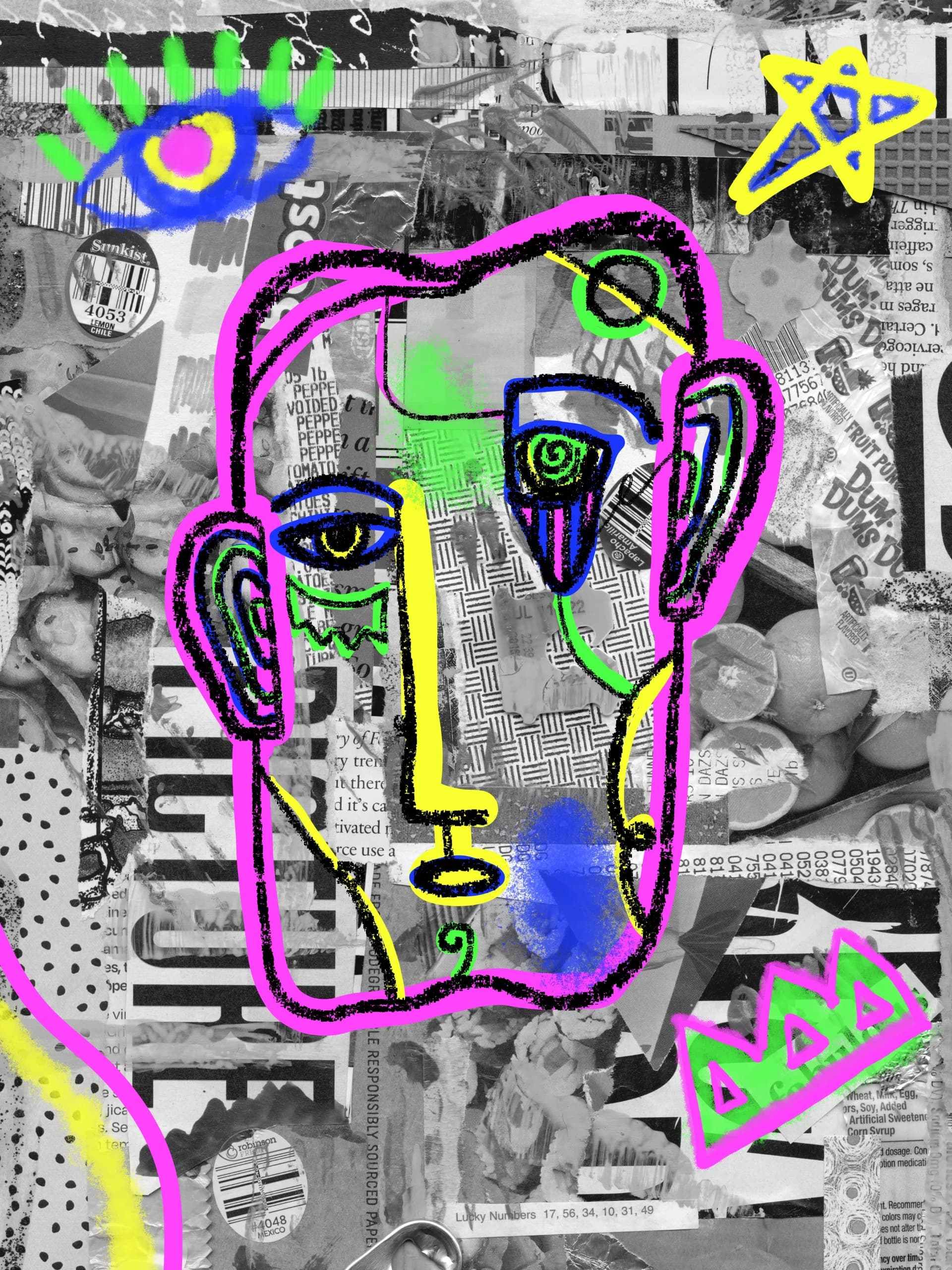
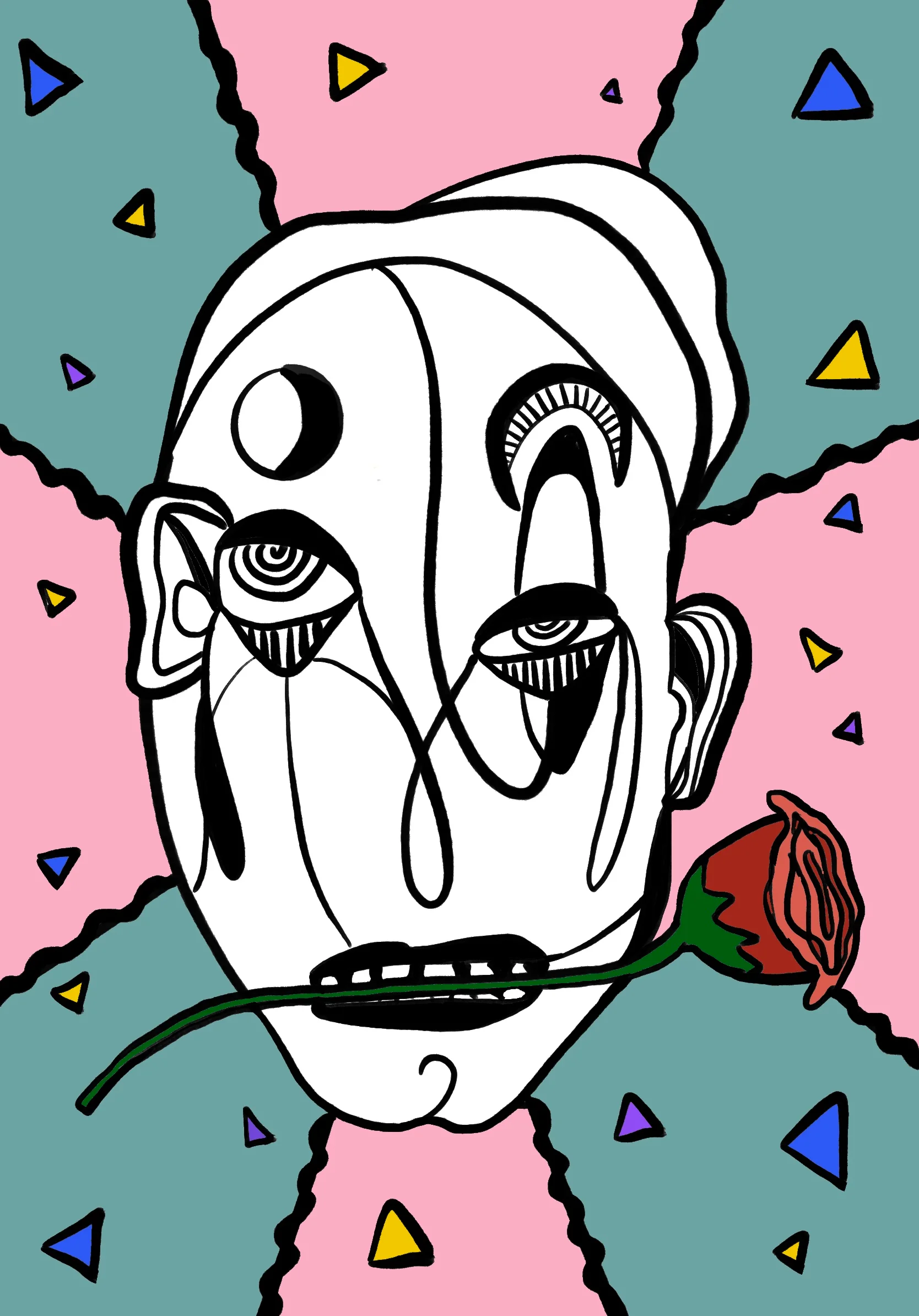
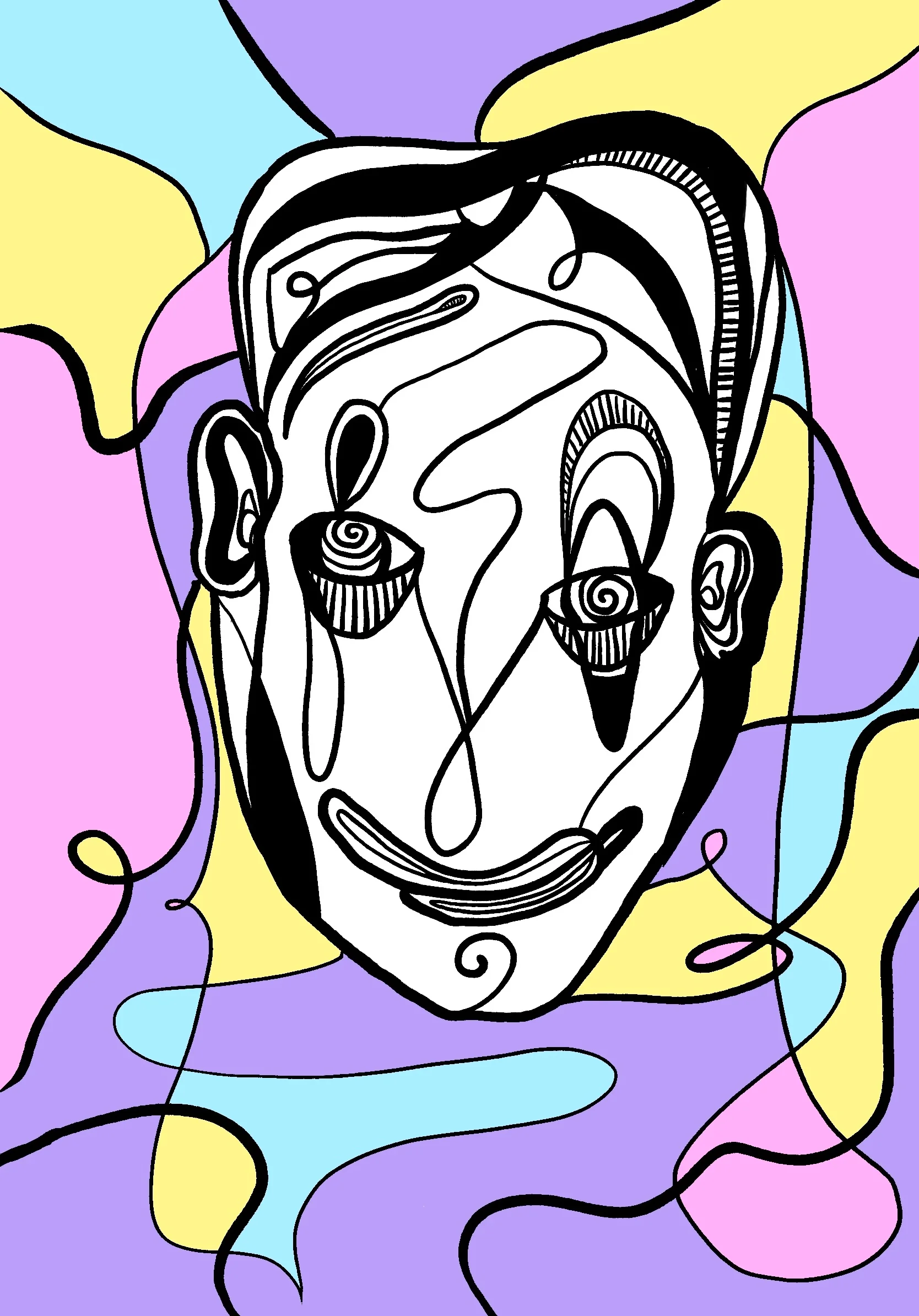
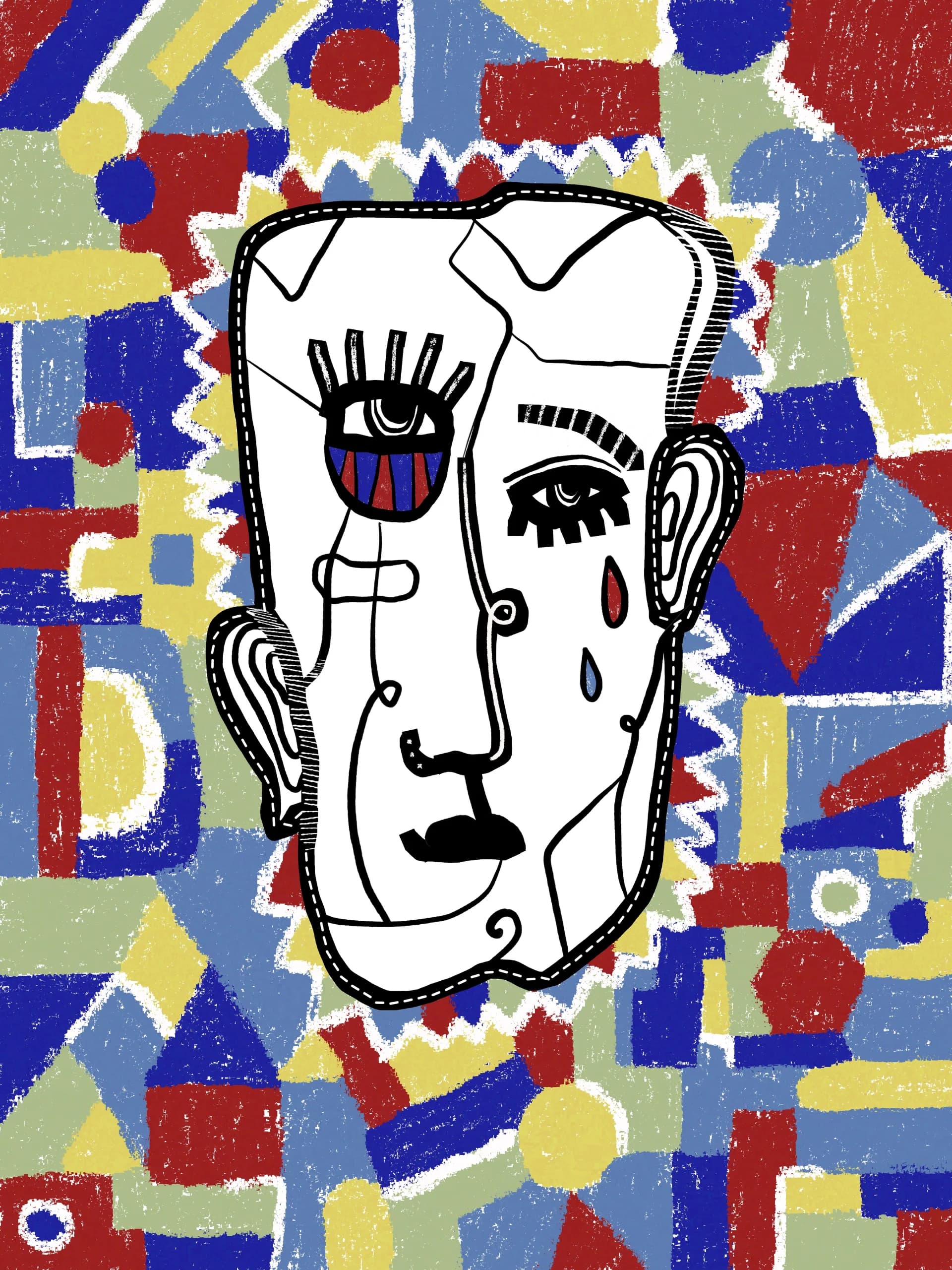
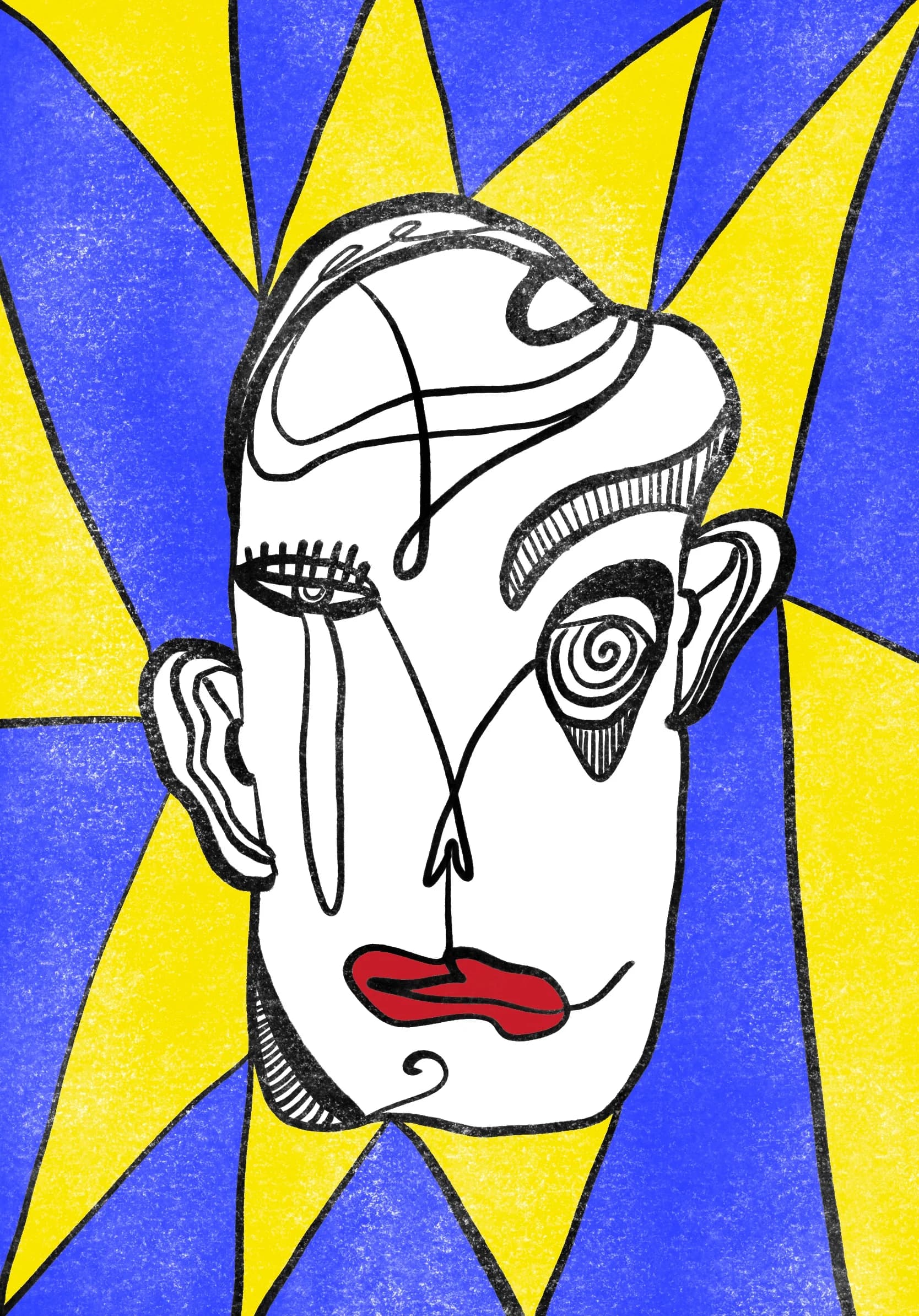
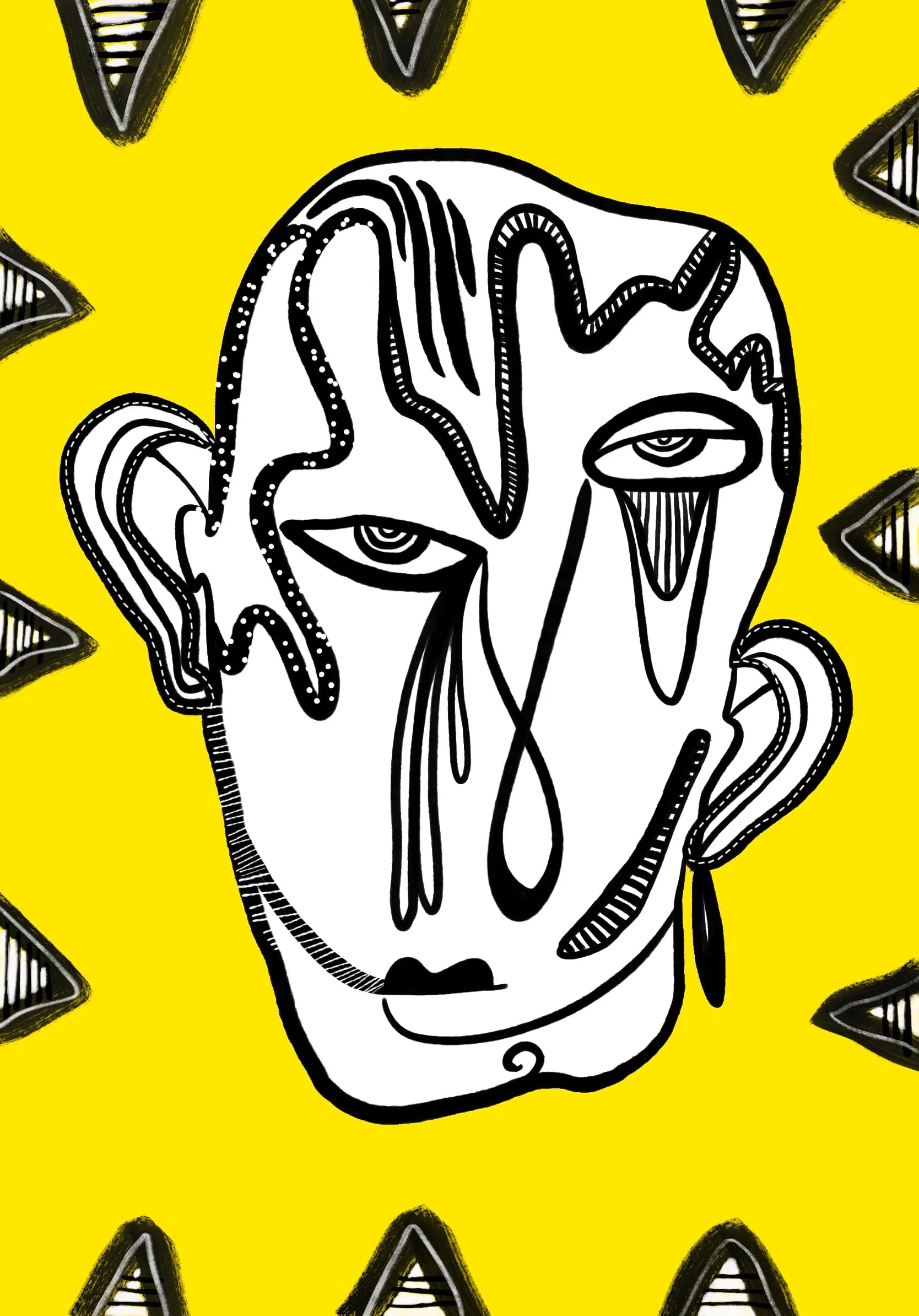
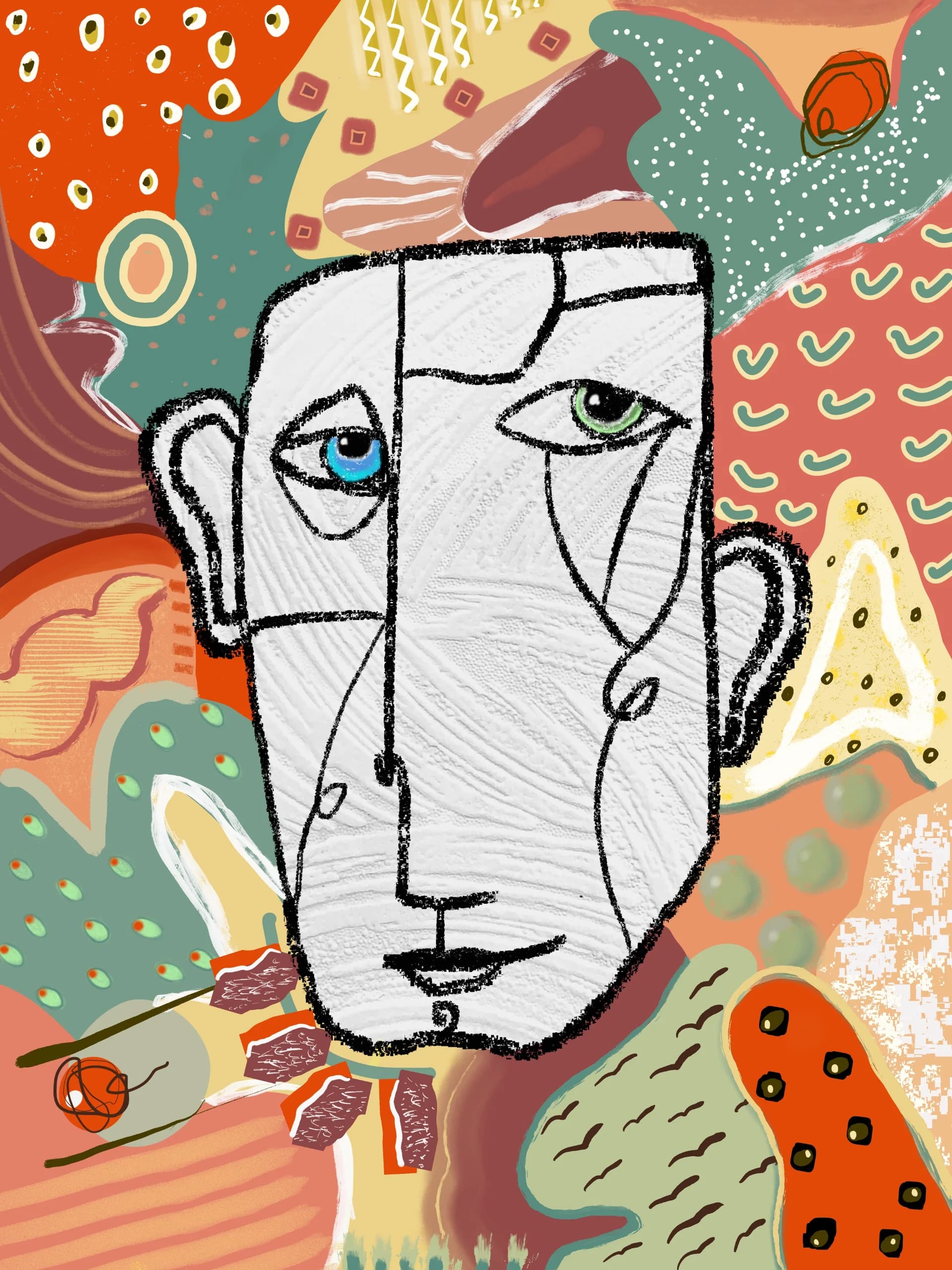
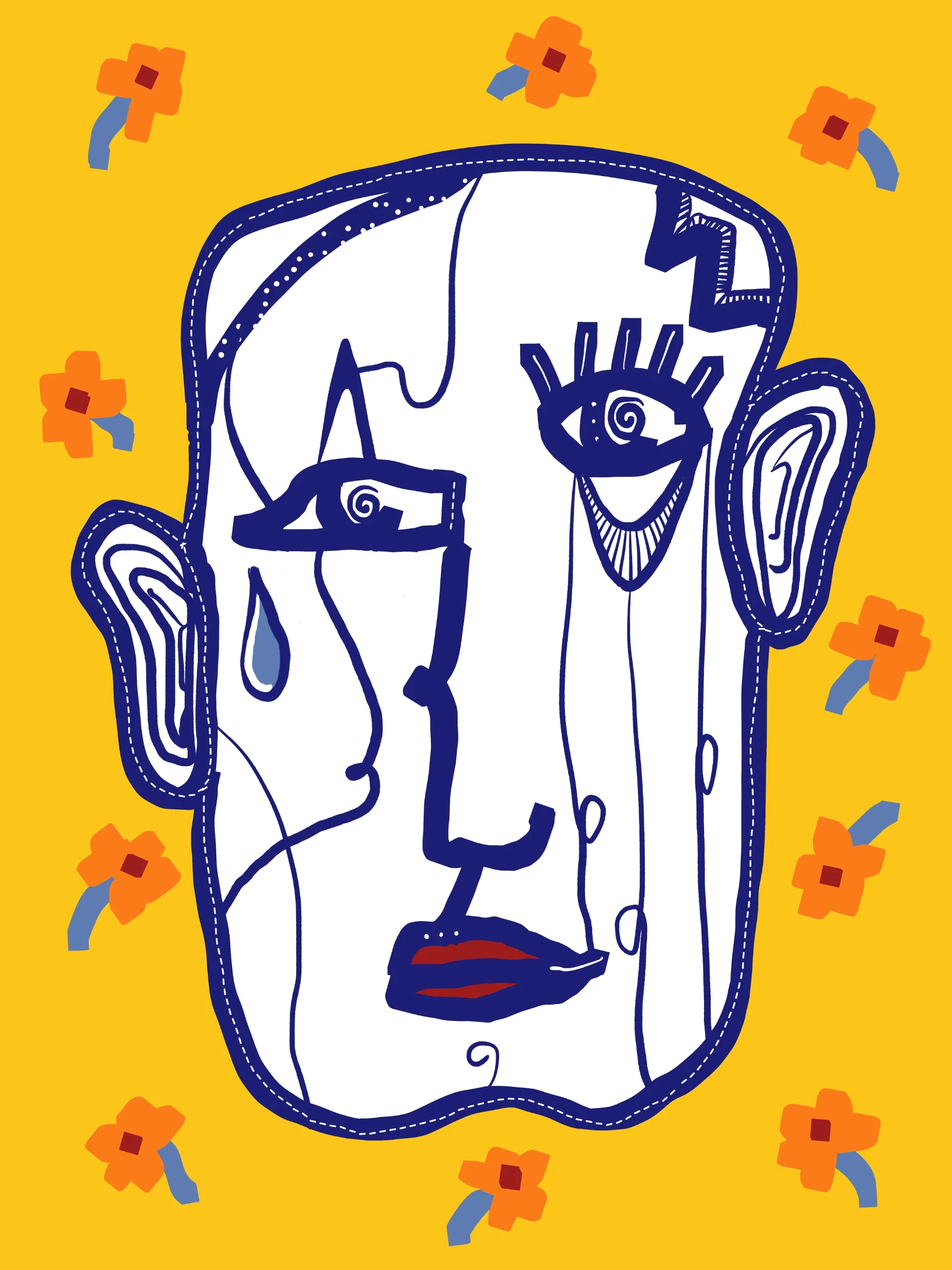
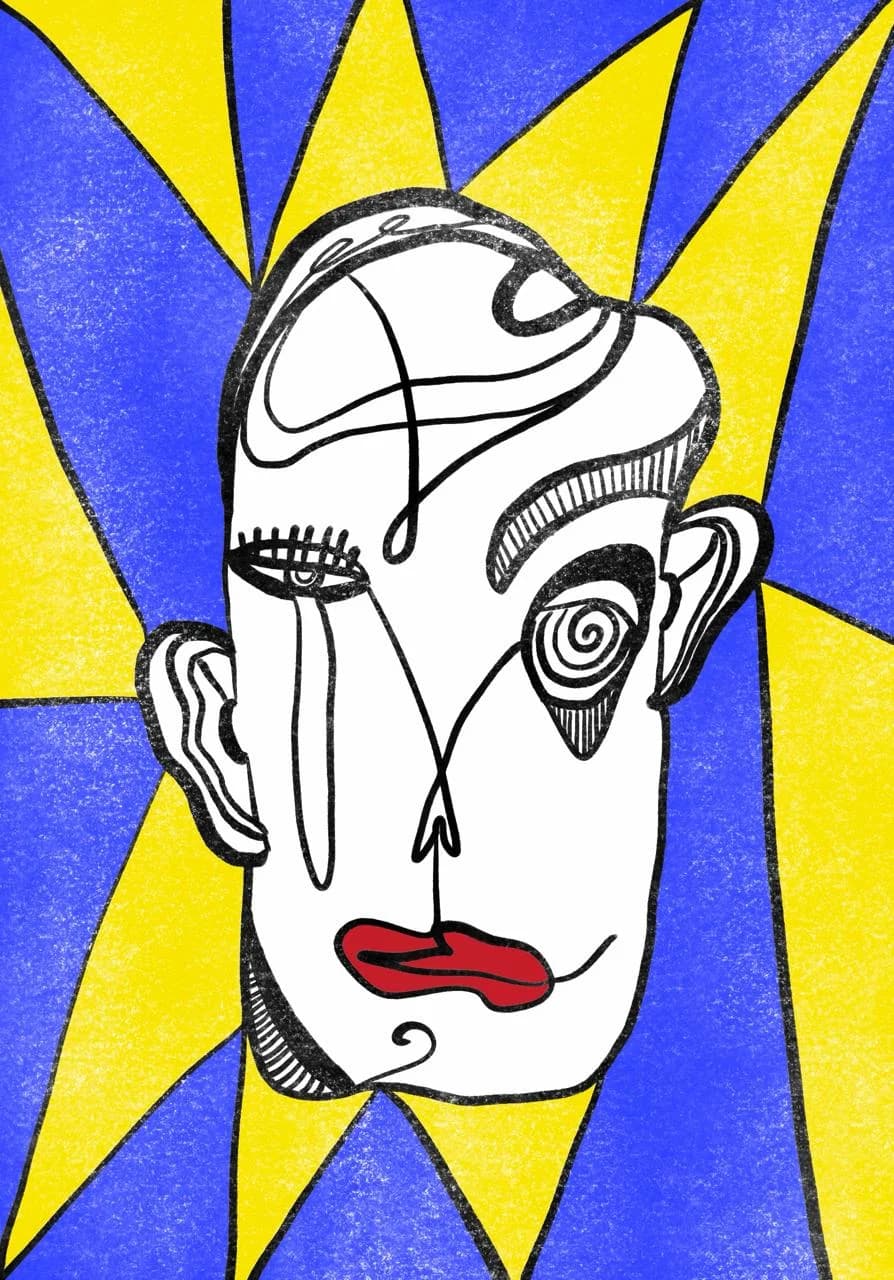
Asya Galinsky is a contemporary artist born in Ukraine whose figurative-expressionist paintings explore the inner world, emotion, and mental health through color, line, and symbolism. She holds a Bachelor's degree in Business Administration and Marketing and is an entrepreneur in the e-commerce industry. Throughout her life, however, creativity has remained an inseparable part of her identity - a way of thinking, feeling, and understanding the world. In 2019, following a prolonged battle with depression, Galinsky returned to painting after several years away from art. During this period, her first distinct artistic language emerged: black-and-white line drawings that became a direct reflection of her inner world at the time - a world in which color was almost entirely absent. Later, she was diagnosed with bipolar disorder. Navigating emotional extremes while searching for meaning and stability deepened her connection to art, transforming the creative process into a vital necessity. Gradually, color began to appear in her work - not merely as an aesthetic choice, but as a symbol of emotional transformation and the expansion of her inner landscape. For Galinsky, the transition from monochrome to color reflects the possibility of finding life, hope, and complexity even within psychological struggle. Galinsky creates from a desire to give form to what cannot always be expressed through words. Her paintings become spaces where emotions, thoughts, and inner experiences are translated into visual language - faces, colors, symbols, and abstract forms that come together to create layered emotional landscapes. Her works do not seek to illustrate a diagnosis or provide answers. Instead, they invite viewers to contemplate the complexity of the human experience - the tension between pain and hope, fragmentation and tenderness, emotional overwhelm and the enduring desire to love, connect, and simply be. For Galinsky, art serves as a bridge between inner worlds. She hopes that everyone who encounters her work will recognize a part of themselves within it. If even one person walks away feeling less alone, or if her paintings encourage a more open conversation about mental health and the shared human experience, then the work has fulfilled its purpose.