

The Penny Drops
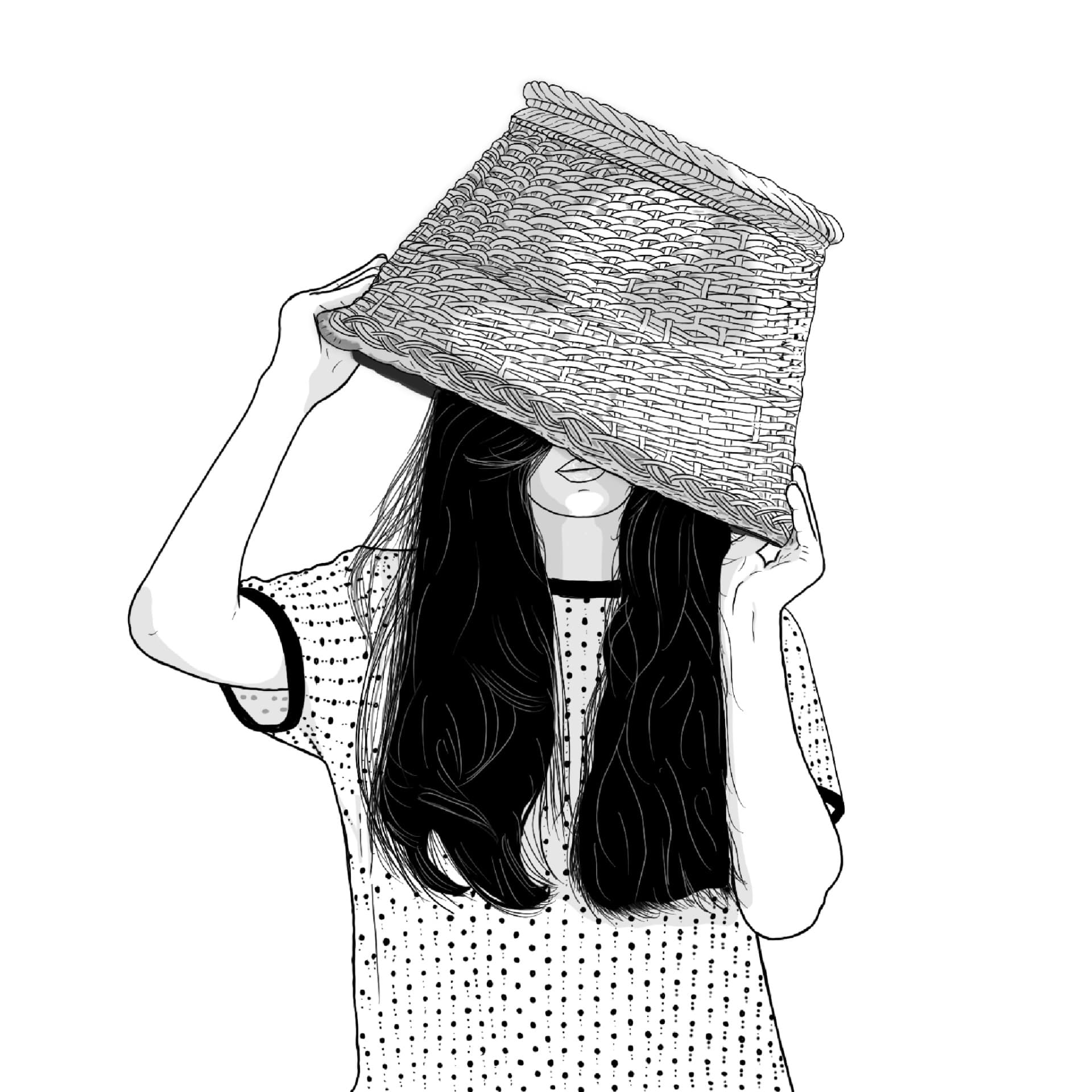
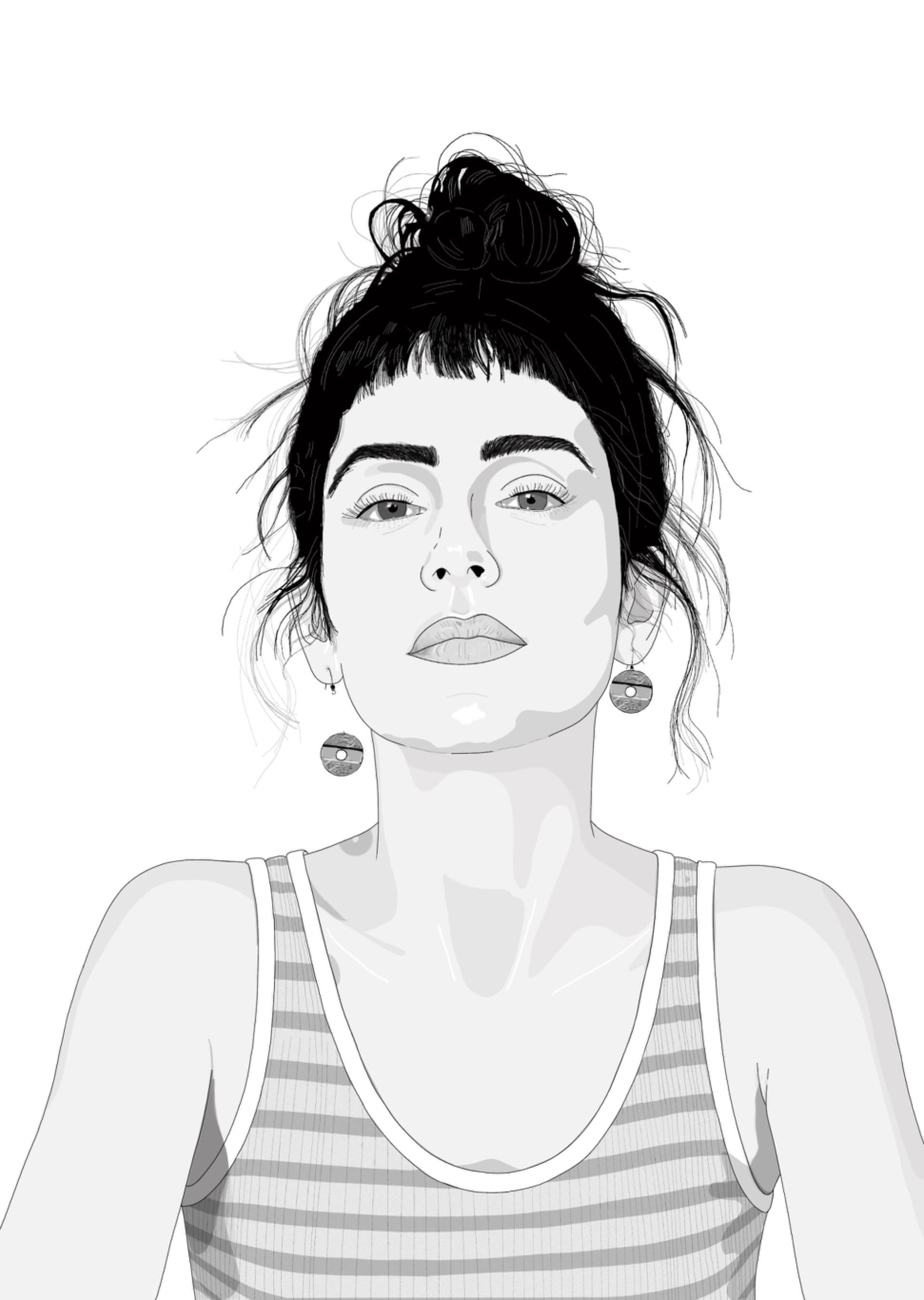
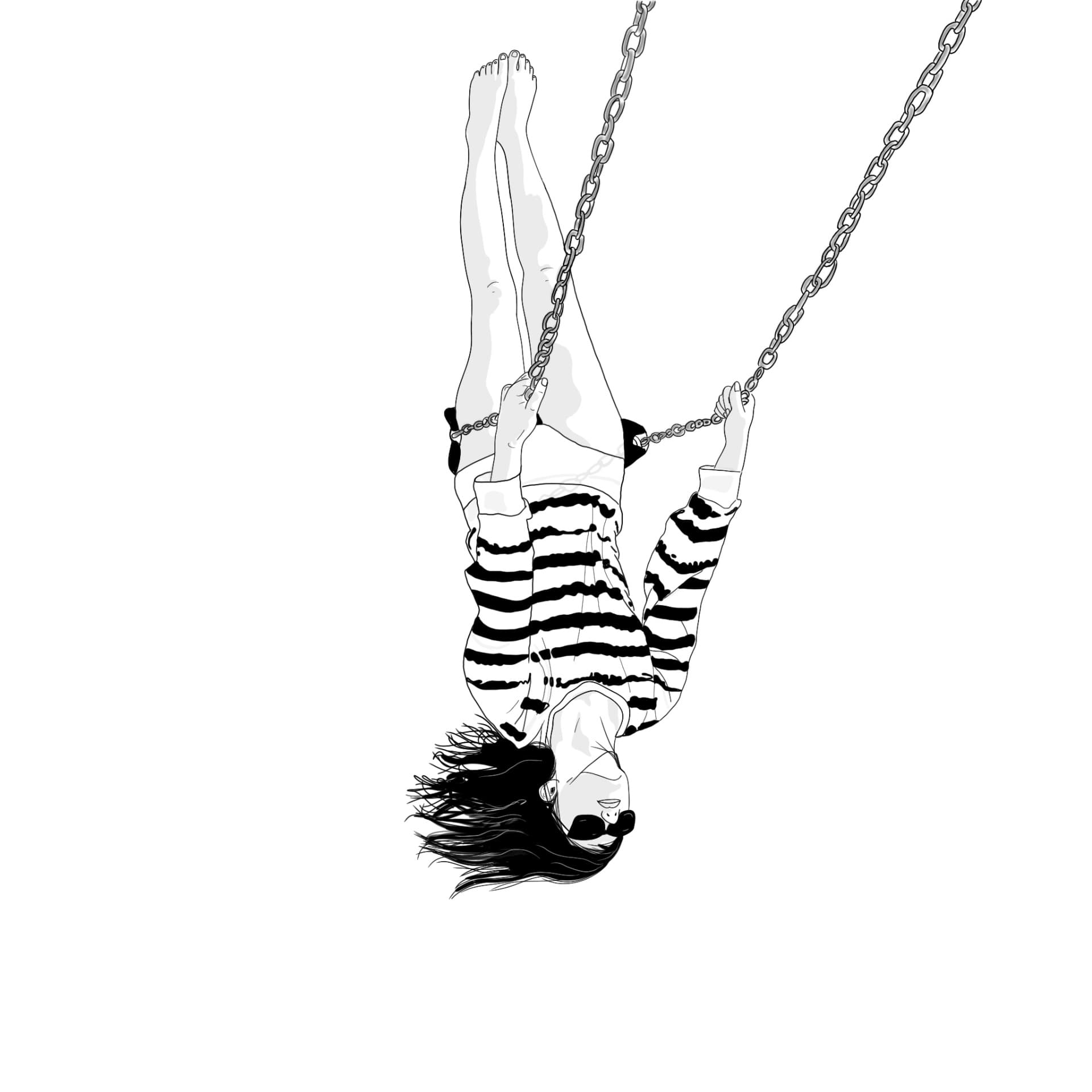
Sometimes understanding takes time. Then, in a single moment, the penny drops, and something becomes clear. A black-and-white illustration about the moment we finally understand what we may have known all along. A frontal portrait presents a woman with a steady gaze, loosely gathered hair, striped clothing, and penny earrings against an open white ground. Precise ink contours and pale tonal passages define the face and figure, while freer strands lend movement to the dark mass of hair. The restrained monochrome palette creates a direct, self-possessed mood suited to a contemporary living room or office.

Michal Weinberger
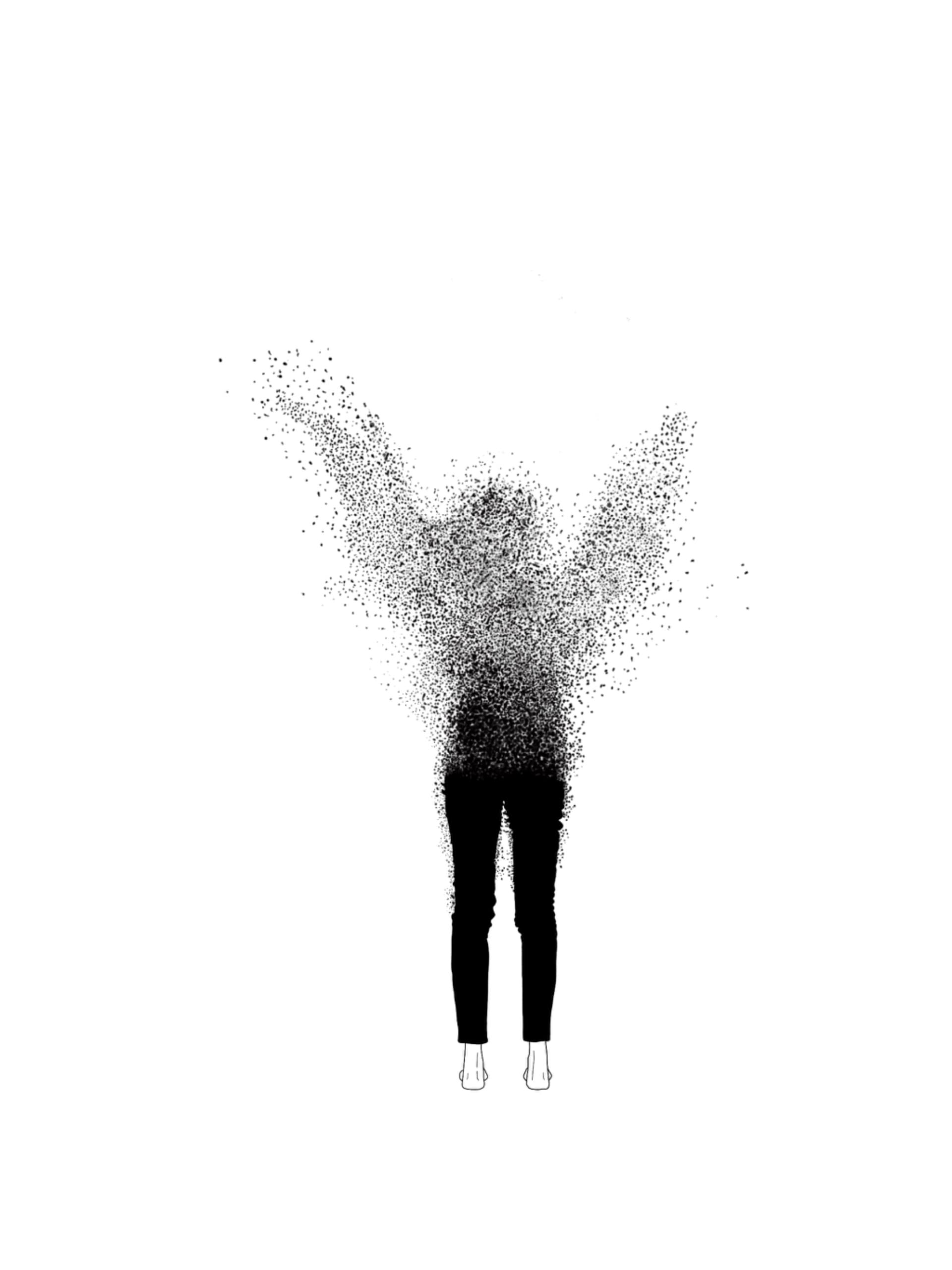
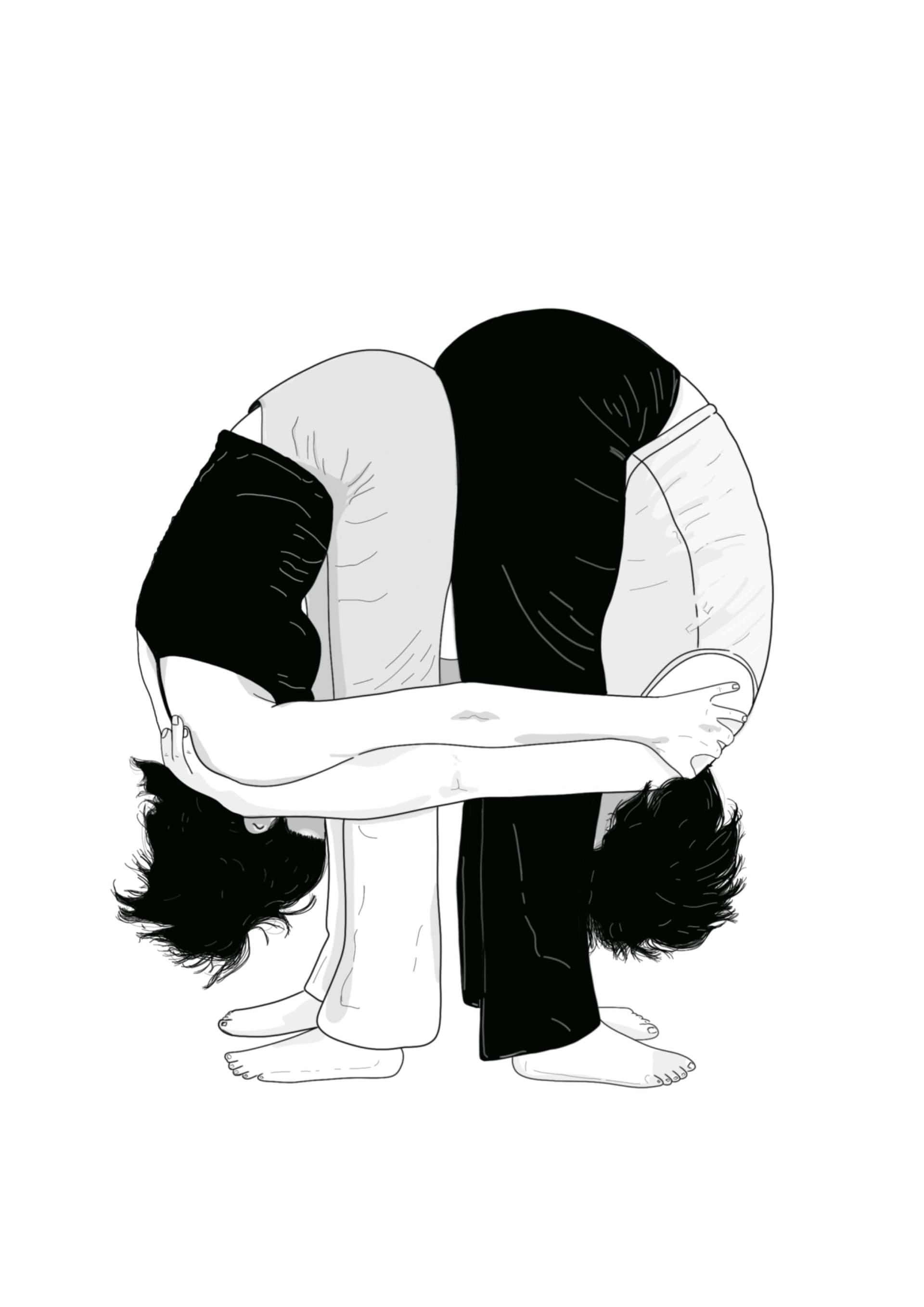
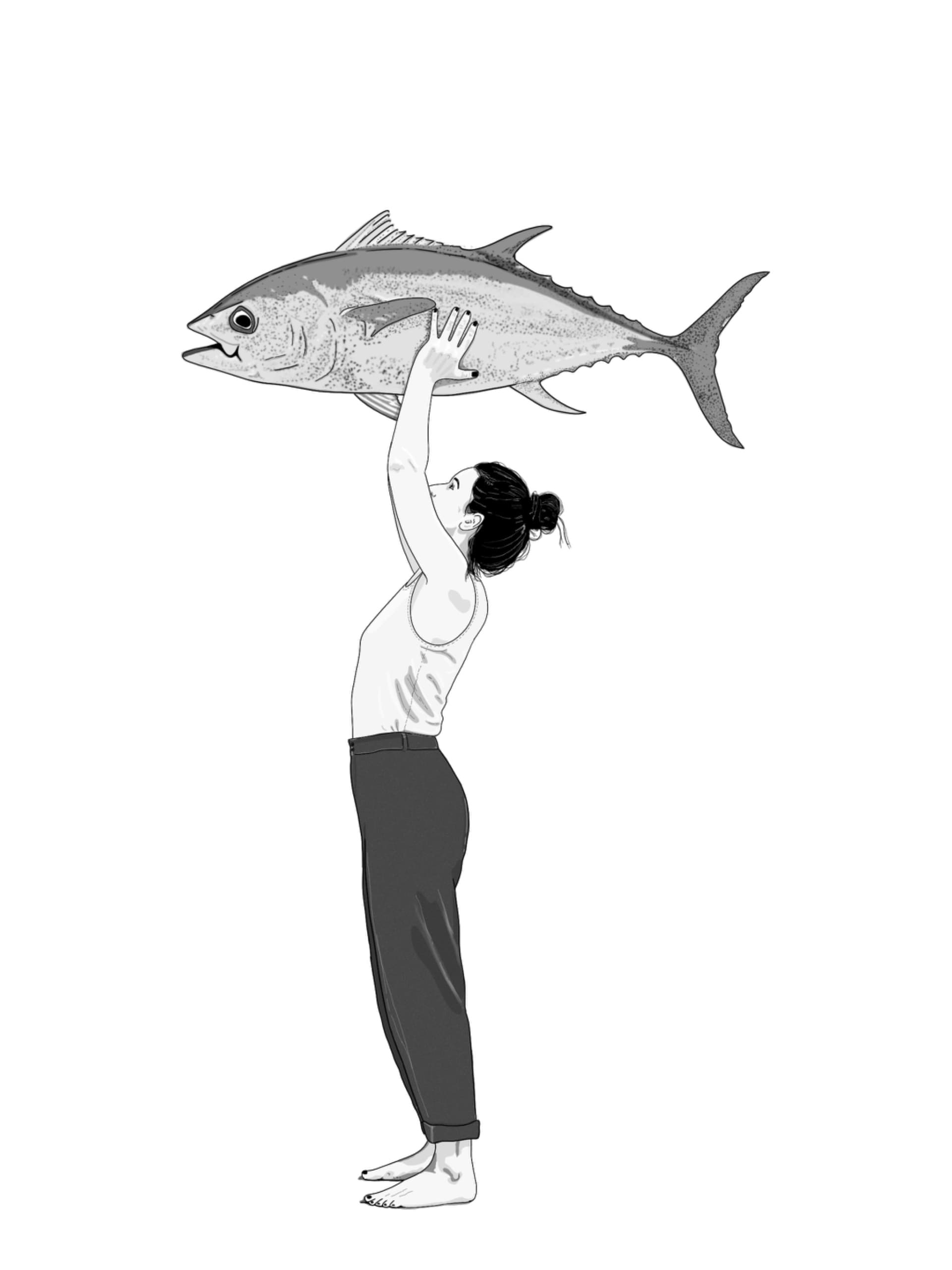
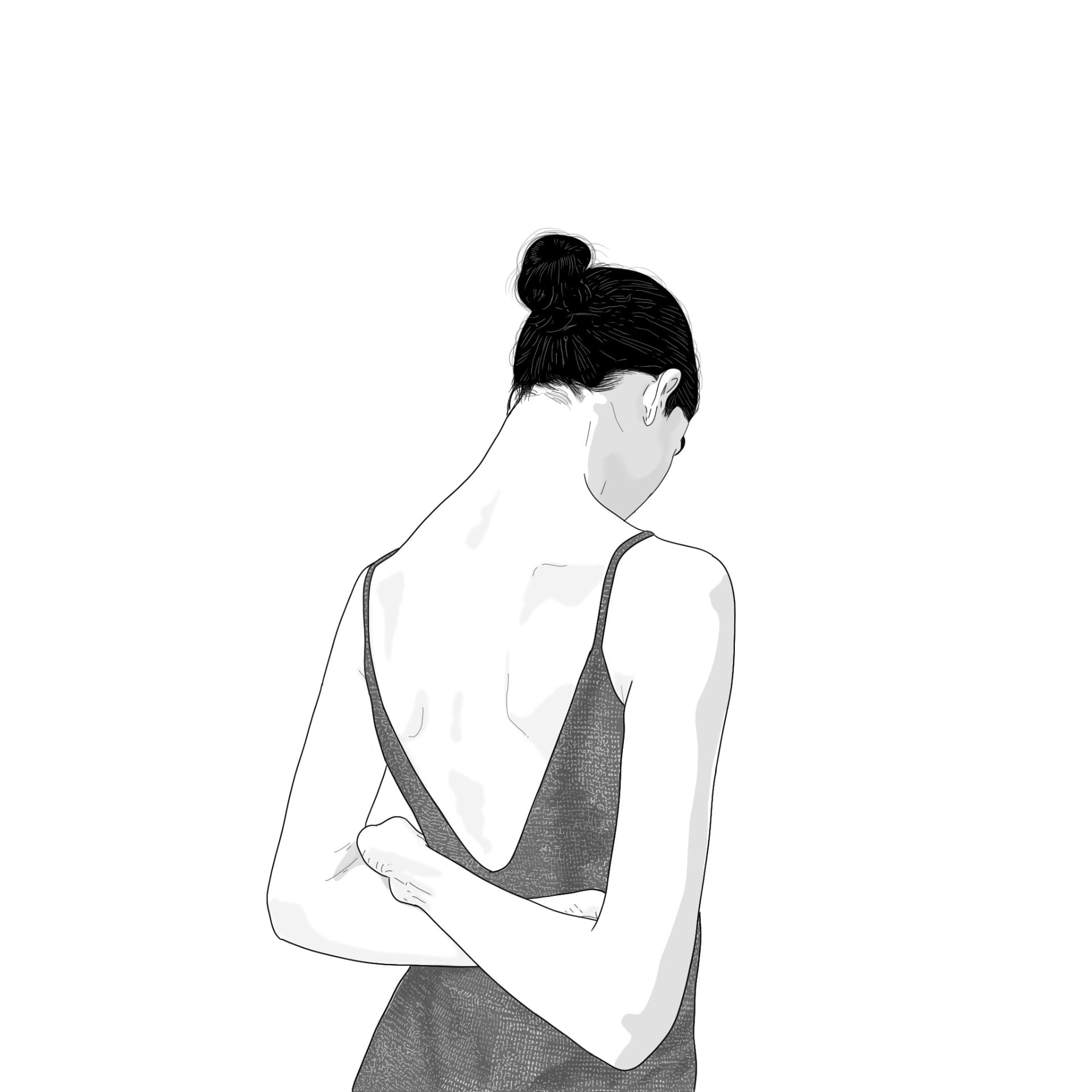
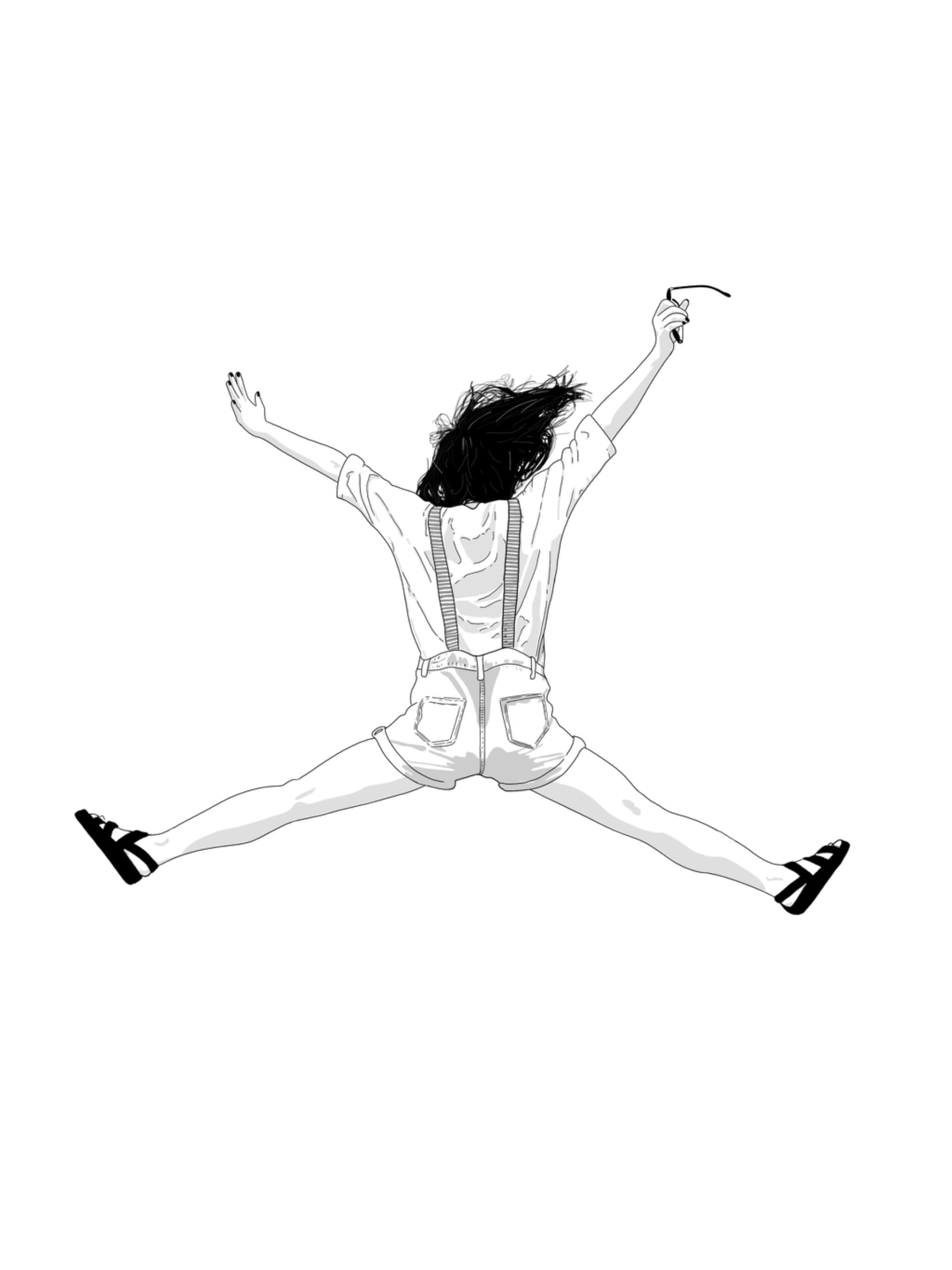
Tattooist and visual artist Michal Weinberger illustrates life moments through a monochromatic palette of black, gray, and white. The sharp contrast between the visceral subjects depicted and the visual stillness creates a distinct language that manages to be simultaneously quiet and loud. Following years of working as a designer, Weinberger experienced the onset of complex PTSD rooted in her childhood. As the trauma surfaced, the world lost its protective layers—and with them, color vanished. Her choice to work in black and white was not a detached aesthetic preference, but an existential necessity for reduction: to quiet the noise, strip the world down to its most essential contours, and seek stable ground within an emotional turmoil the body could no longer hold alone. In her work, black and white are not merely graphic opposites, but manifestations of an ongoing internal struggle between the shadows pulling toward the depths and the light fighting to hold onto life.
Tattooist and visual artist Michal Weinberger illustrates life moments through a monochromatic palette of black, gray, and white. The sharp contrast between the visceral subjects depicted and the visual stillness creates a distinct language that manages to be simultaneously quiet and loud. Following years of working as a designer, Weinberger experienced the onset of complex PTSD rooted in her childhood. As the trauma surfaced, the world lost its protective layers—and with them, color vanished. Her choice to work in black and white was not a detached aesthetic preference, but an existential necessity for reduction: to quiet the noise, strip the world down to its most essential contours, and seek stable ground within an emotional turmoil the body could no longer hold alone. In her work, black and white are not merely graphic opposites, but manifestations of an ongoing internal struggle between the shadows pulling toward the depths and the light fighting to hold onto life.
Similar Artworks