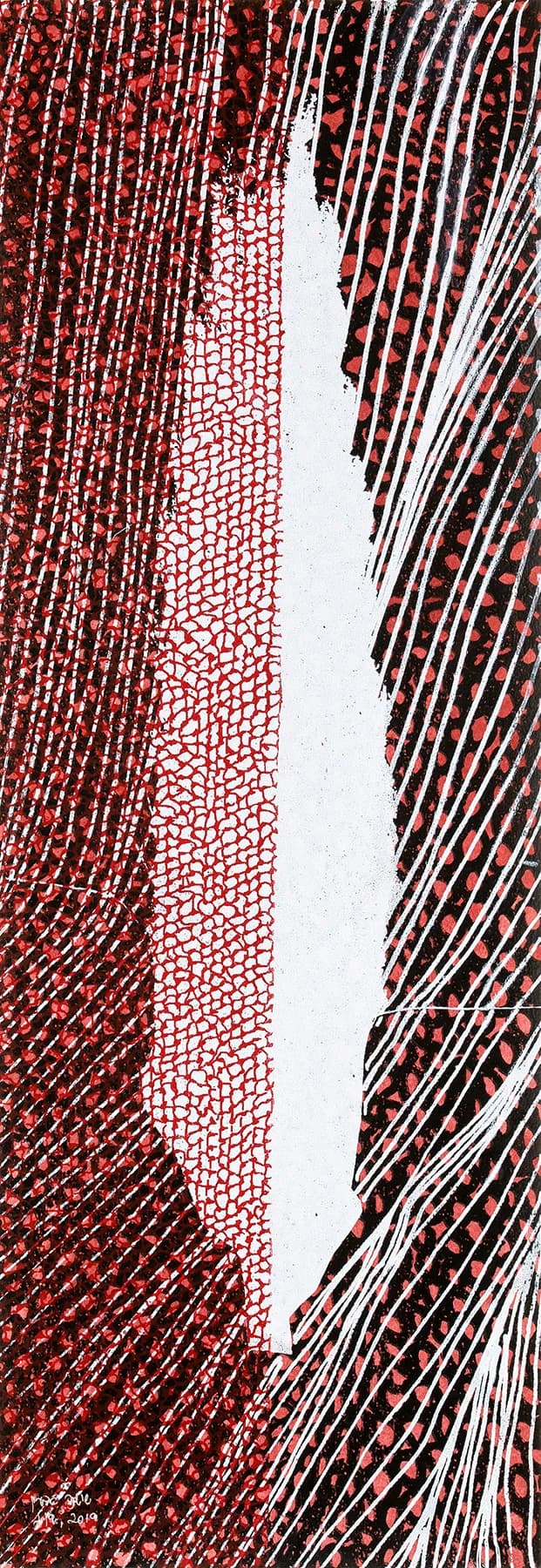
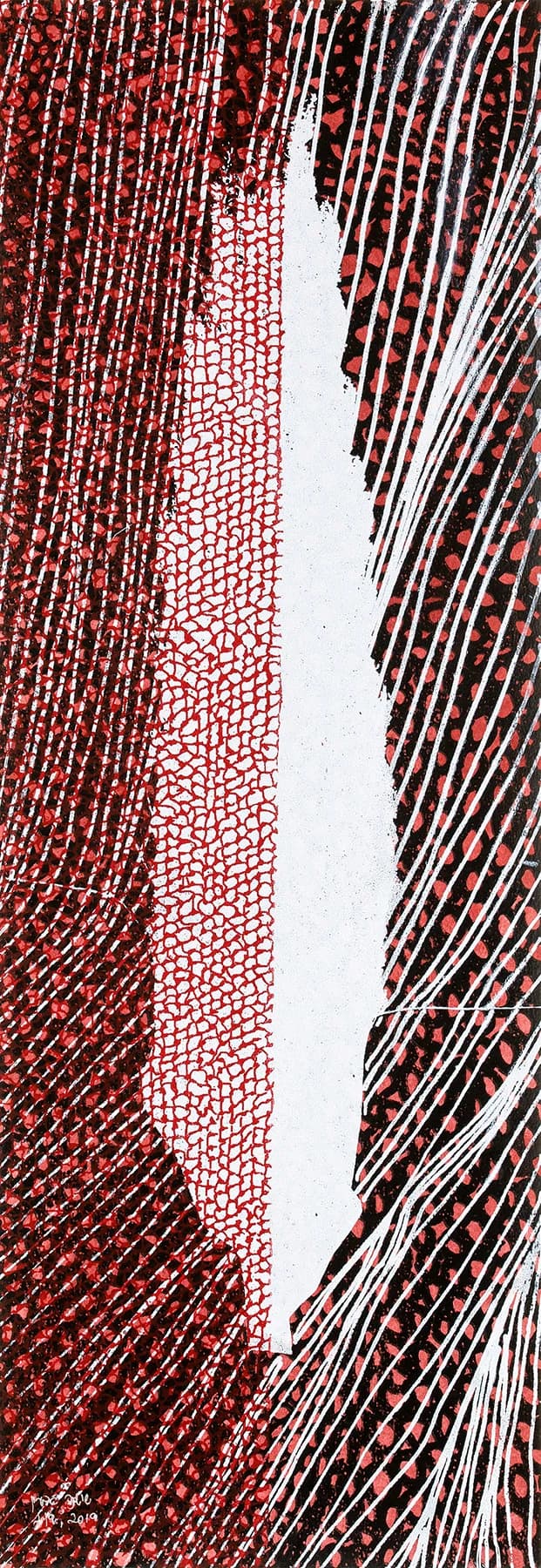
6/9 White Cypress crimson-path
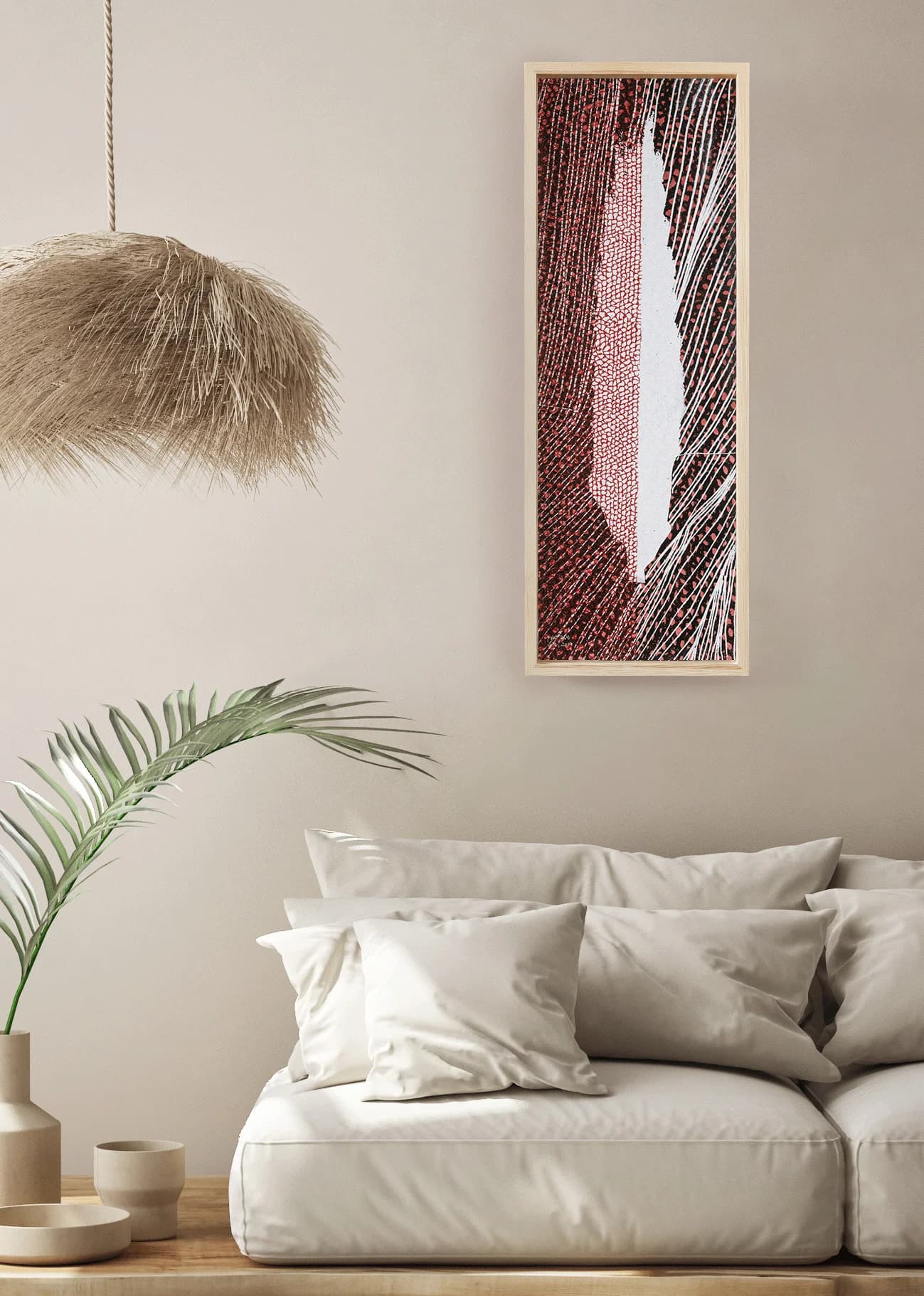
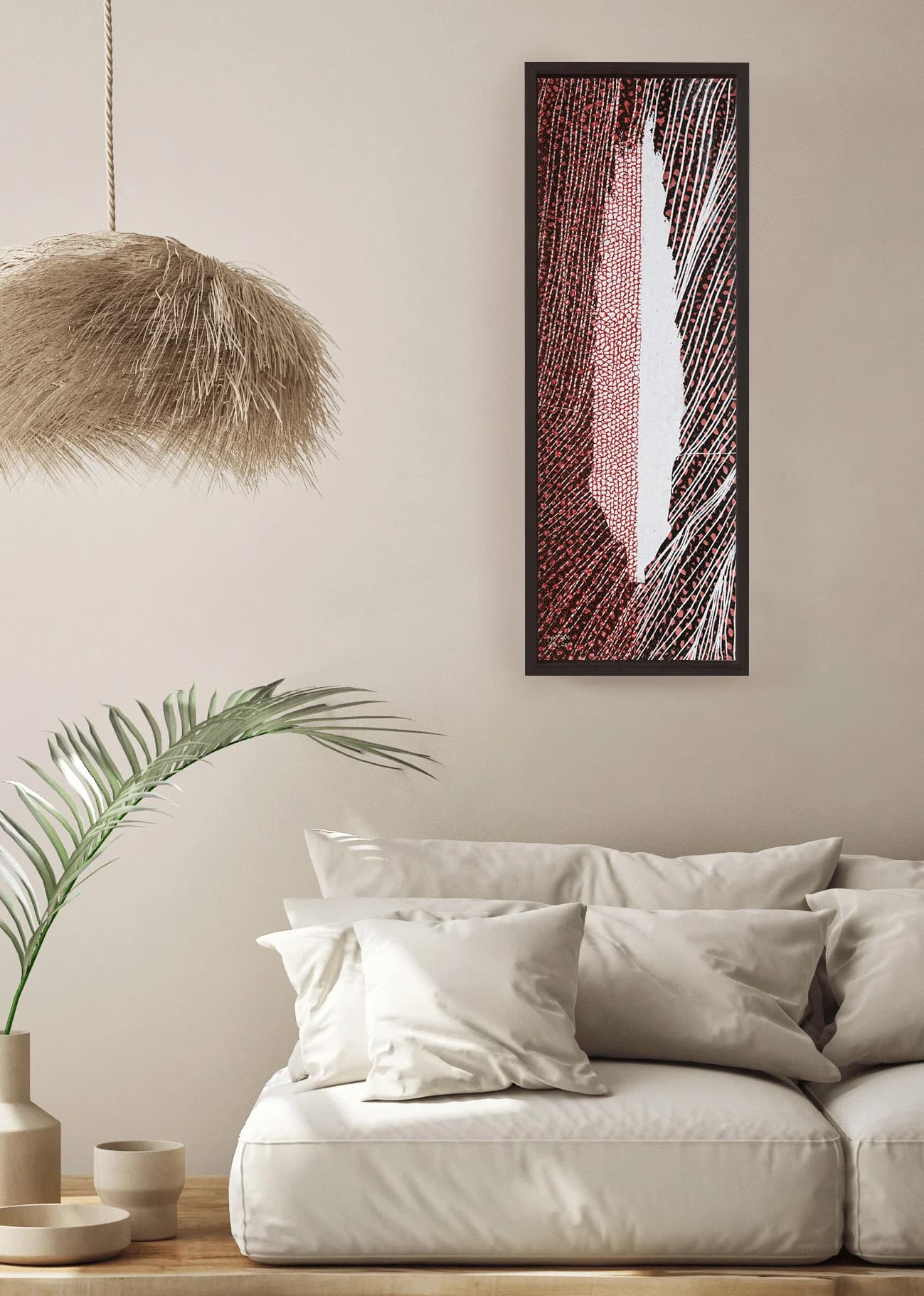
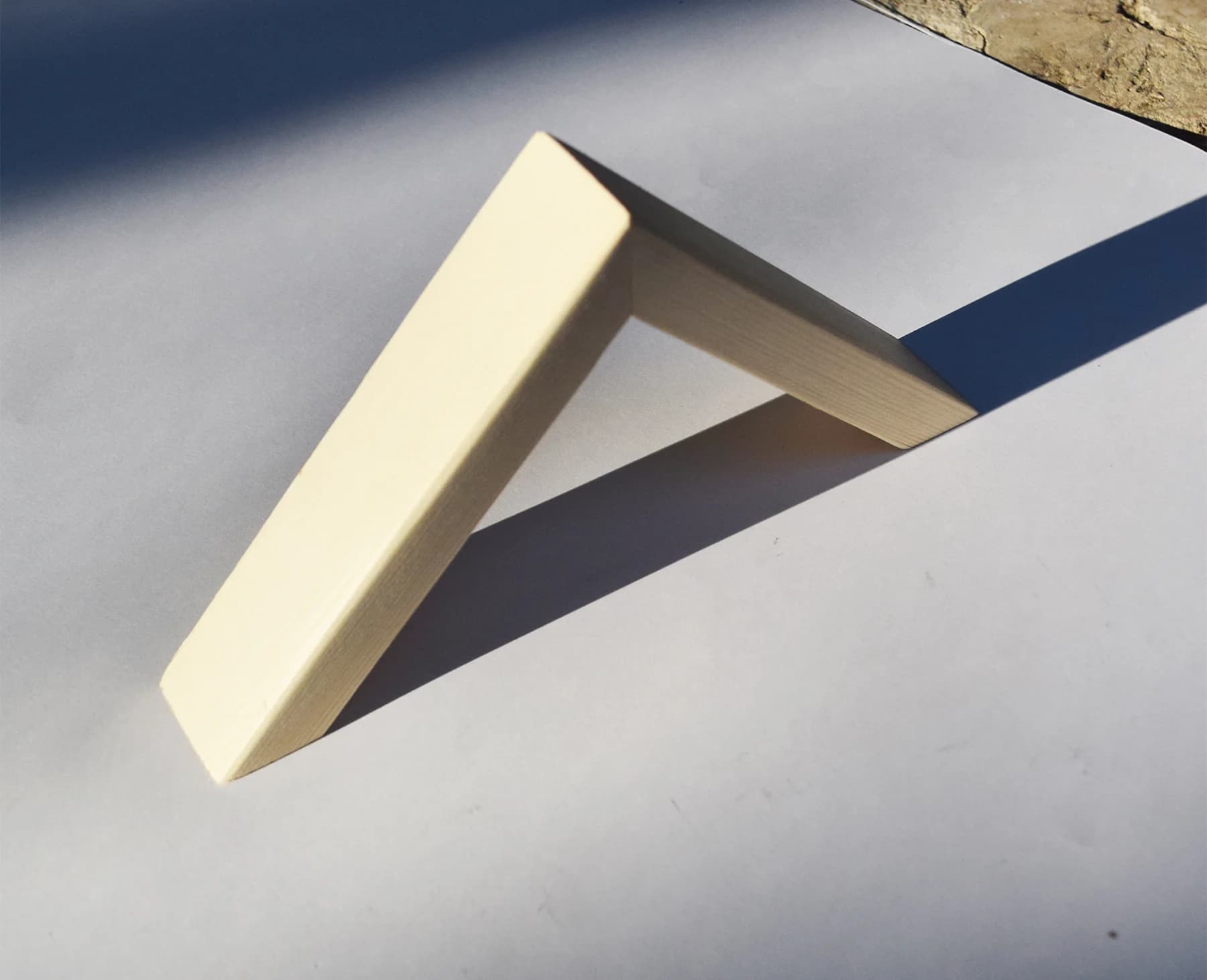
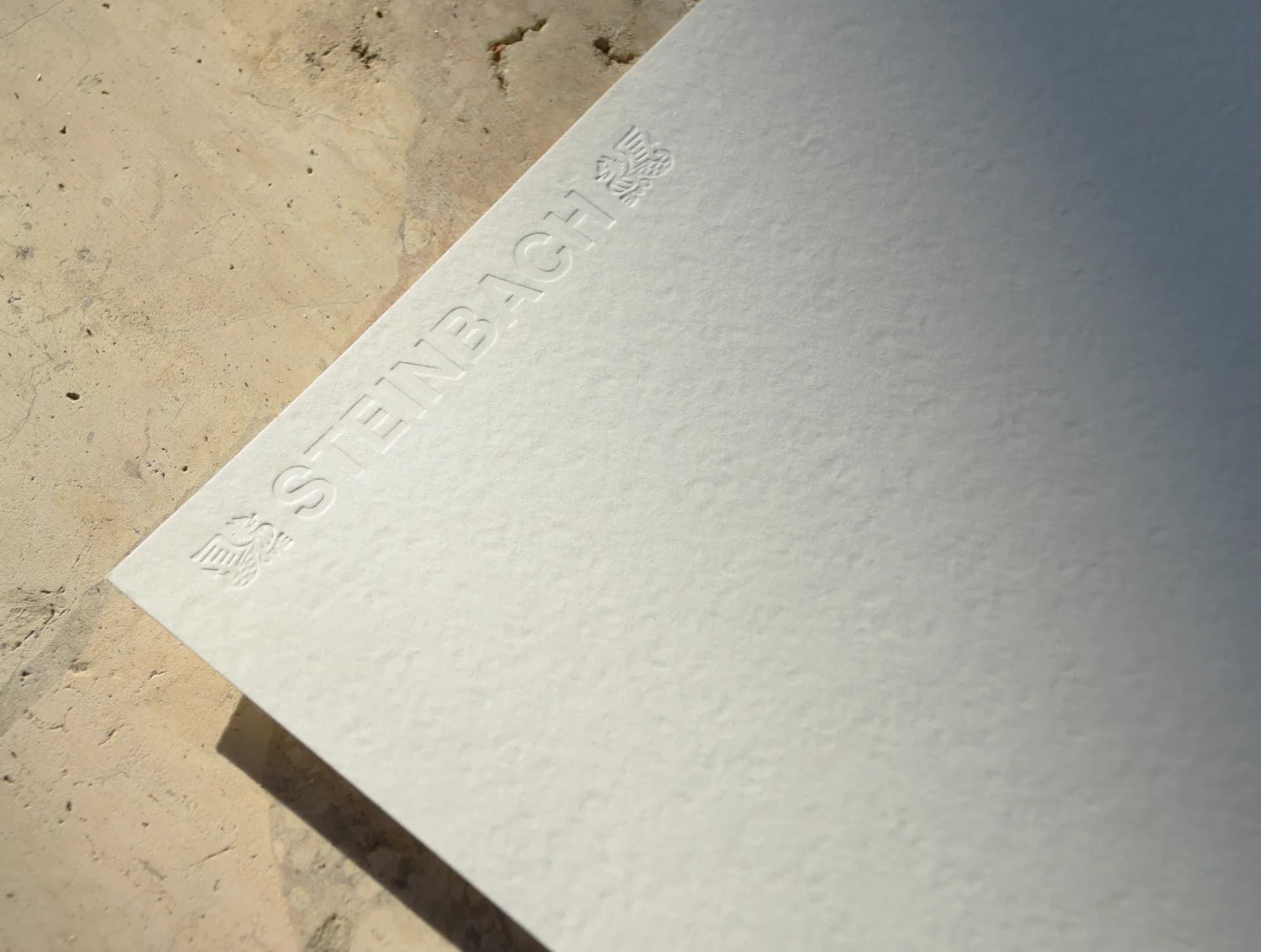
A striking screenprint on paper built from rhythmic linear fields, dense organic patterning, and a bold central void. The vertical composition creates movement and tension, balancing precision with raw energy. Its red, black, and white palette gives the work a strong graphic presence with a contemporary look. original screen print on acid-free Steinbach paper, limited edition, with museum profile framing, numbered and signed by the artist.
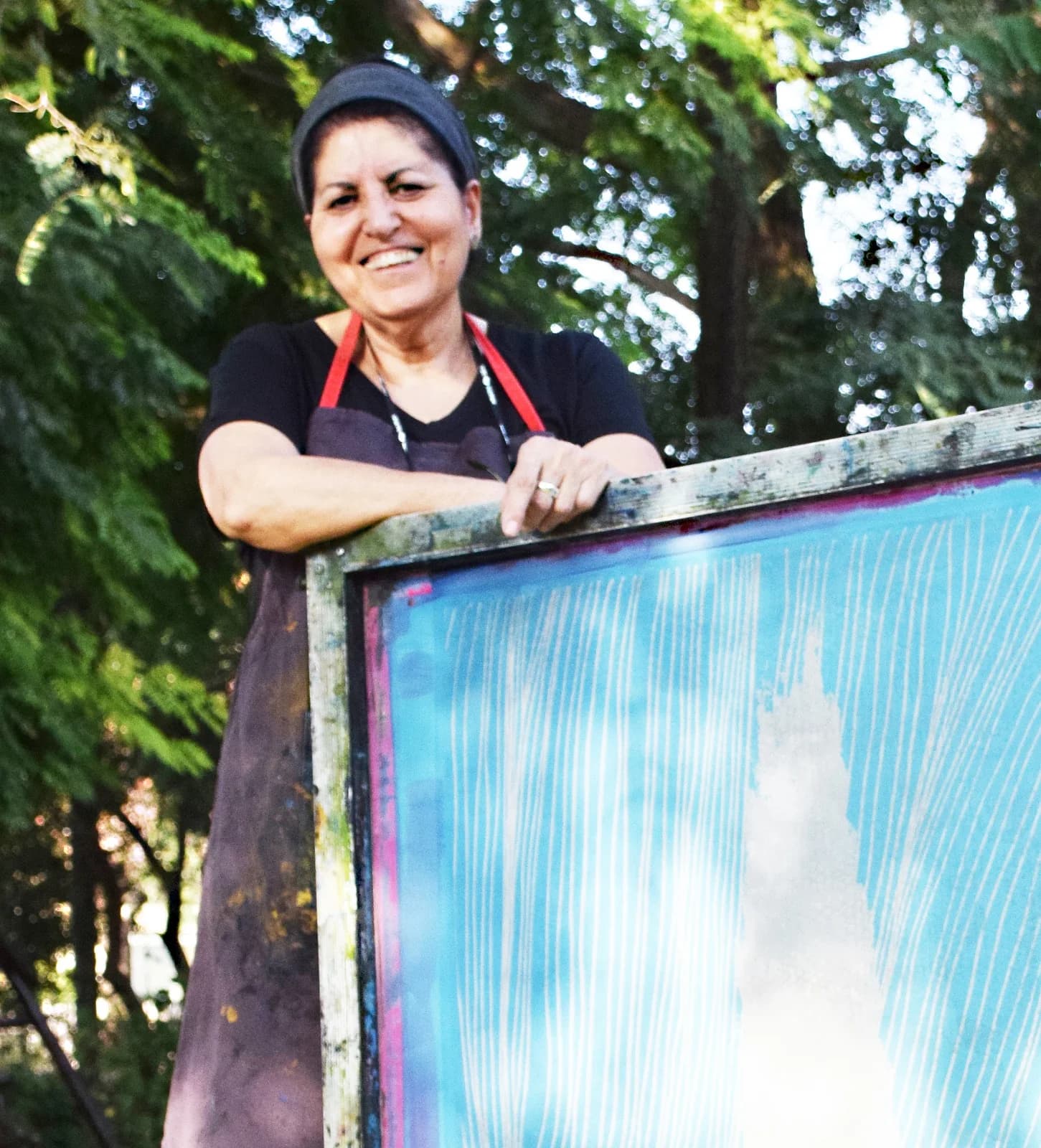
Shoshanna Givon
Shoshanna Givon is a multidisciplinary artist whose work exists on the boundary between the figurative and the abstract, emerging from the intersection of her personal story and universal human experience. Givon works with photographs she takes herself, transforming them into screen prints, etchings, and textile-based works produced in small editions through meticulous handcraft that reflects her inner world. She paints over some of the prints, ensuring that no two works are ever exactly alike. Givon is a graduate of the Midrasha School of Art, where she developed her practice in photography and the printmaking techniques that have become central to her artistic language. Over the years, she has exhibited extensively in galleries and institutions in Israel and abroad, including the Artists' House in Tel Aviv, the Cooperative Gallery in Kabri, and the Douro International Print Biennial in Spain. Her works are characterized by dense textile-like textures from which images emerge or dissolve. These visual elements are inspired by the cultural environment in which embroidery, textiles, and jewelry played a significant role. The works evoke warmth and intimacy beneath a sophisticated and contemporary visual language. Givon's distinctive palette, dominated by earthy tones alongside black-and-white monochromatic compositions, deepens the sense of place and belonging. Givon creates a convincing symbiosis between East and West. She succeeds in separating the images from her personal narrative, allowing them to resonate independently and inviting viewers to move between the hidden story beneath the surface and the conceptual aesthetic shaped by her extensive knowledge of art history. Her work reveals the visual influence of early Bezalel folk Jewish art, Islamic ornamentation, and contemporary Israeli painting. Her works bring together diverse cultural and aesthetic traditions to tell an autobiographical story of memory and longing, of the search for identity and belonging within a complex cultural fabric—one that may also be called Israeli identity.
Shoshanna Givon is a multidisciplinary artist whose work exists on the boundary between the figurative and the abstract, emerging from the intersection of her personal story and universal human experience. Givon works with photographs she takes herself, transforming them into screen prints, etchings, and textile-based works produced in small editions through meticulous handcraft that reflects her inner world. She paints over some of the prints, ensuring that no two works are ever exactly alike. Givon is a graduate of the Midrasha School of Art, where she developed her practice in photography and the printmaking techniques that have become central to her artistic language. Over the years, she has exhibited extensively in galleries and institutions in Israel and abroad, including the Artists' House in Tel Aviv, the Cooperative Gallery in Kabri, and the Douro International Print Biennial in Spain. Her works are characterized by dense textile-like textures from which images emerge or dissolve. These visual elements are inspired by the cultural environment in which embroidery, textiles, and jewelry played a significant role. The works evoke warmth and intimacy beneath a sophisticated and contemporary visual language. Givon's distinctive palette, dominated by earthy tones alongside black-and-white monochromatic compositions, deepens the sense of place and belonging. Givon creates a convincing symbiosis between East and West. She succeeds in separating the images from her personal narrative, allowing them to resonate independently and inviting viewers to move between the hidden story beneath the surface and the conceptual aesthetic shaped by her extensive knowledge of art history. Her work reveals the visual influence of early Bezalel folk Jewish art, Islamic ornamentation, and contemporary Israeli painting. Her works bring together diverse cultural and aesthetic traditions to tell an autobiographical story of memory and longing, of the search for identity and belonging within a complex cultural fabric—one that may also be called Israeli identity.